
Often, yes, but it depends on which of three situations your home is in. On a house that is not listed, replacing windows is normally permitted development as long as the new ones look similar to the old, and GOV.UK is clear that a similar appearance does not mean the same material. In a conservation area the same applies, unless the council has removed that right with an Article 4 Direction.
A listed building is different. New windows need listed building consent, councils expect repair before replacement, and some rule aluminium out altogether. Whichever case applies, the building regulations still set a standard for the new windows, with allowances for historic homes.
Three questions that settle it
- Is the building listed?
- Is it in a conservation area, and does an Article 4 Direction cover it?
- Is it a house or a flat?
Your council can answer all three. In Ashford, for example, the borough council shows the areas covered by each Article 4 Direction on its interactive maps, and lists new windows among the alterations a direction can bring under planning control.
Houses that are not listed
Replacing the windows of a house is usually permitted development, so it needs no planning application. The condition is that the materials used are of a similar appearance to those on the existing house. GOV.UK's technical guidance for householders says this does not mean they need to be the same materials, and what matters is that new windows give a similar visual appearance to those in the existing house.
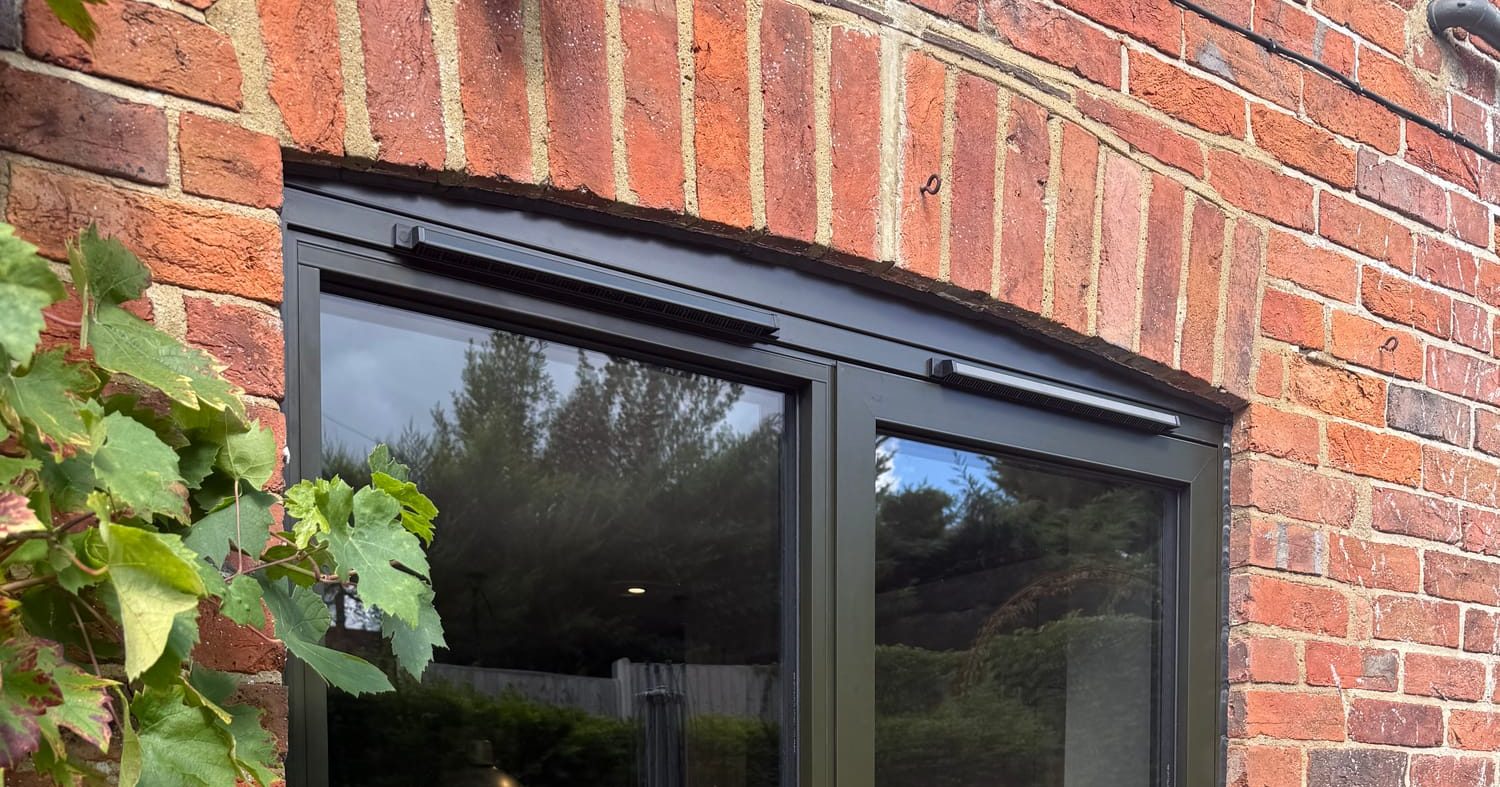
So aluminium windows can replace timber ones under permitted development, if they look the part. That comes down to detail. The size of the frames, the proportions of the glass, the pattern of glazing bars, the way the windows open and their colour are what give older windows their character, and they are the things to match.
Flats do not have these householder rights. If your new windows would look different from the old ones, check with the council before you order.
Conservation areas and Article 4 Directions
Being in a conservation area does not on its own take away the right to replace a house's windows. An Article 4 Direction does. Where one covers windows, new windows need planning permission, and the council will judge the design against the character of the area.
Councils set out what they will accept in their own guidance, and some are strict about materials. Hastings Borough Council's guidance on replacement doors and windows, written in 2005 and still on its website, says uPVC and aluminium replacements are not generally acceptable in its conservation areas. It does consider slim section replacements that match the original design on rear elevations hidden from view, on detached buildings where every window is replaced, or where they would not harm the character of the building or the area. Other councils word it differently, so read your own council's guidance before you choose a material.
Listed buildings
Under section 7 of the Planning (Listed Buildings and Conservation Areas) Act 1990, no one may alter a listed building in any way that would affect its character without consent, and contravening that is a criminal offence under section 9. New windows count as an alteration. Hastings' guidance puts it plainly, saying any alteration affecting the character or appearance of a listed building needs listed building consent, including replacement doors and windows, while repairs that exactly match the original materials and detailing usually do not.
Expect the conservation officer to ask whether the existing windows can be repaired first. Where originals survive in metal, the same guidance says they should be repaired and kept where possible, and that heavier sectioned or differently detailed uPVC or aluminium windows are unacceptable. If metal windows really are beyond repair, a slim aluminium system designed to replace steel windows is the kind of replacement that can be argued for. Whether it is accepted on your building is the council's decision.
When the right answer is timber, we fit that too. Our wooden windows are Rationel double-glazed timber windows in pine, oak, mahogany, redwood and sapele.
Aluminium windows that suit older houses
Not every aluminium window looks modern. These are the ones in our range worth looking at for an older house.
Alitherm Heritage, for steel windows
Smart designed Alitherm Heritage as a direct replacement for steel windows, for listed building renovations and replica refurbishment where planning constraints apply. Taller windows are built from horizontal modules stacked with couplers, with a drip bar between them. Openings can be fixed, tilt and turn, side hung or top hung, and Smart has security tested the casements and fixed lights to PAS 24. It is the system behind our Heritage collection, in standard and non-standard colours including metallic and dual colour finishes.
Origin Premium, for traditional casements
The Origin Premium Window updates the design of traditional 19th century timber windows, with a flush casement inside and out, so the opening sash sits level with the frame rather than proud of it. It suits a house with no listing or Article 4 Direction where the aim is to keep a traditional flush casement style. More on it, and the slimmer Origin Slimline with its 65mm frame, is on our Origin aluminium windows page.
Timber inside, aluminium outside
If you want the warmth of wood in the room and a low maintenance face to the weather, VELFAC composite windows pair a wooden inner frame with aluminium outside, each with its own choice of finish.
The building regulations still apply
A new window in an existing home should meet Approved Document L, which sets a U-value of 1.4 W/m²K or a Window Energy Rating of band B (Table 4.2), and should be no worse than the window it replaces (paragraph 4.8). Smart gives Alitherm Heritage a U-value of 1.6 W/m²K and a Window Energy Rating of B, so it qualifies on the energy rating route.
Approved Document L also makes room for older buildings. Work to a listed building or a home in a conservation area does not need to comply fully with the energy efficiency requirements where doing so would unacceptably alter its character, but it should comply as far as is reasonably practicable (paragraphs 0.8 and 0.9). Building control should consider the advice of the council's conservation officer (paragraph 0.12). Where windows cannot meet the standard because the character of the building has to be kept, the document allows glazing with a centre pane U-value of no more than 1.2 W/m²K, or low-emissivity secondary glazing behind single glazing (paragraph 4.10).
That last point is worth knowing before you spend money. If your original windows are sound and the council wants them kept, secondary glazing may be the better route than replacement. And if you do replace them, GOV.UK advises that using an installer registered with a competent person scheme means you do not need to get building regulations approval yourself, and that without approval you may lack the certificates you need when you sell.
Extensions on older houses
New extensions to historic homes do not share the house's allowances. Approved Document L says they should comply fully with the energy standards unless there is a need to match the appearance or character of the host building (paragraph 0.11). So a modern extension at the back of a period house, with slim aluminium sliding doors and a roof lantern or flat roof light, is held to the same energy standards as any other extension, while its design is a matter for planning.
Before you order
- Ask the council whether the house is listed, in a conservation area or covered by an Article 4 Direction.
- Photograph your existing windows inside and out, and note how they open, the glazing bar pattern and the colour.
- If consent or permission is needed, talk to the conservation officer before the design is fixed.
- Keep any consent, permission and building regulations certificate with the house documents.
Talk to us about your windows
Toucan Glass supplies and fits aluminium, heritage, timber and composite windows across Kent and the South East, from our showroom in Ashford. Contact us with photos of your existing windows and anything the council has told you, and we will tell you which windows are worth putting forward for your home. You can see more of our work on our previous work page.